Service area · British Columbia
Strata Water Leak Prevention in Vancouver.
Most water damage claims in a Vancouver strata building do not begin with a burst main. They begin with a supply line, a hose bib or a washing machine connector in one suite, at two in the morning, and the water is four floors down before anyone notices.
.jpg)
What we see in Vancouver buildings
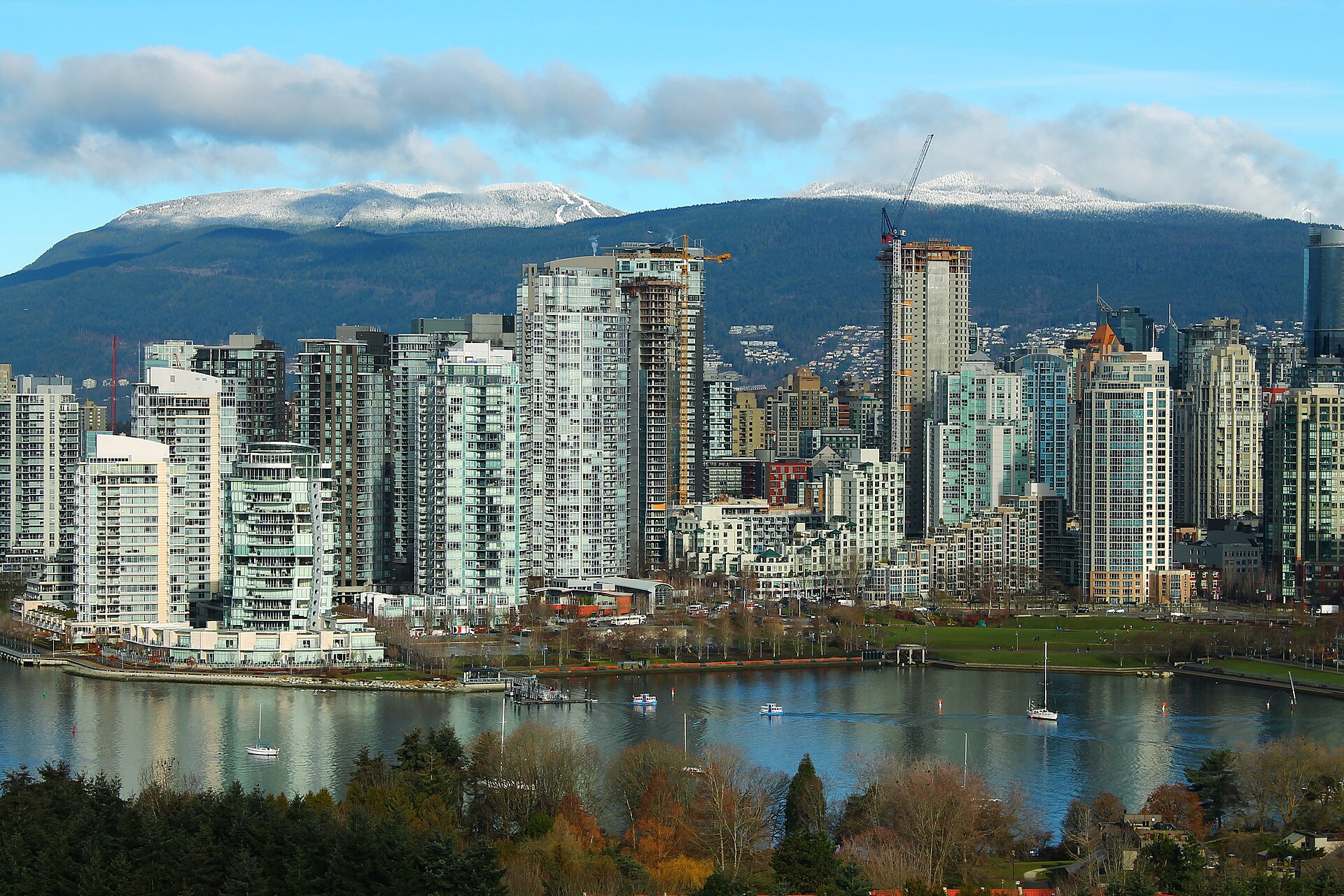
A large share of the city’s strata inventory is concrete high-rise built between the 1970s and the 1990s, and those buildings are now past the age at which original supply plumbing starts to fail. Councils here are already fluent in envelope repair — the rainscreen remediation era saw to that — and the same argument applies to the water inside the building rather than outside it: the cost is never the pipe, it is the twelve suites underneath it.
The geometry is the real problem. A tower stacks suites vertically, so a single failure on a high floor becomes a claim against every unit below it. That is why a riser-first rollout protects more of the building, sooner, than a suite-by-suite program does.
Why councils here act
Water damage is the loss category strata insurers have repriced hardest in British Columbia, and Vancouver councils have felt it as deductibles that moved by an order of magnitude and, in some buildings, as coverage that became conditional on what the building had done about the risk. A council that can show an insurer a monitored, automatically shut-off water supply is negotiating from a different position than one that can only promise to be careful.
It is also a depreciation-report conversation. Water mitigation is a capital item with a documented risk reduction attached, which makes it one of the more straightforward things to put to owners at a general meeting.
How it goes in here
Installation is carried out by licensed local contractors — Vancouver trades who know the building types and pull the permits they normally pull. Safehous supplies the system, a project manager coordinates the schedule with your property manager, and common property goes first: risers, mechanical rooms and amenity spaces, none of which depend on getting into anyone’s suite.
Suites are sequenced afterwards as owners come on board, and coverage is documented as it grows, so your broker can see exactly what is protected.
Questions councils in Vancouver ask
- Can this go into an occupied Vancouver high-rise?
- Yes — occupied buildings are the normal case. The common-property work — risers, mechanical rooms, amenity spaces — protects the most units and requires no suite access at all. Suites are scheduled afterwards, in batches, at times your property manager sets.
- Does a strata council need a 3/4 vote for this?
- It depends on how the work is funded and what your bylaws say, which is a question for your property manager or strata lawyer rather than for us. What we can do is size the work so a council has real options — a riser-only first phase is a materially smaller ask at a general meeting than a full-building program.
- Our building already has water sensors in the mechanical room.
- Those find water that has already escaped, in the one room where a drain is most likely to be. Flow-based detection on the supply sees the leak that has not surfaced yet — the slow one behind a wall — and the automatic valve closes the supply without waiting for someone to attend the building.
Governance references on this page describe common practice under the BC Strata Property Act. They are general information rather than legal advice — your strata lawyer or property manager is the authority on what your building must do.
What gets installed
The same system goes into every building: an in-line flow sensor on the supply, wireless point-of-leak sensors in the wet zones, and an automatic shut-off valve that closes when something is wrong. It is set out in full on the home page, and every data sheet is on the downloads page. What changes from building to building is the sequencing, not the hardware.
Book a free building assessment
A specialist attends the building, walks the risers and mechanical rooms, and leaves a written recommendation your council can put in front of an owner meeting or a broker. No cost and no obligation.
Other service areas
Each page covers the building stock and the council questions particular to that city.