Service area · British Columbia
Strata Water Leak Prevention in Surrey.
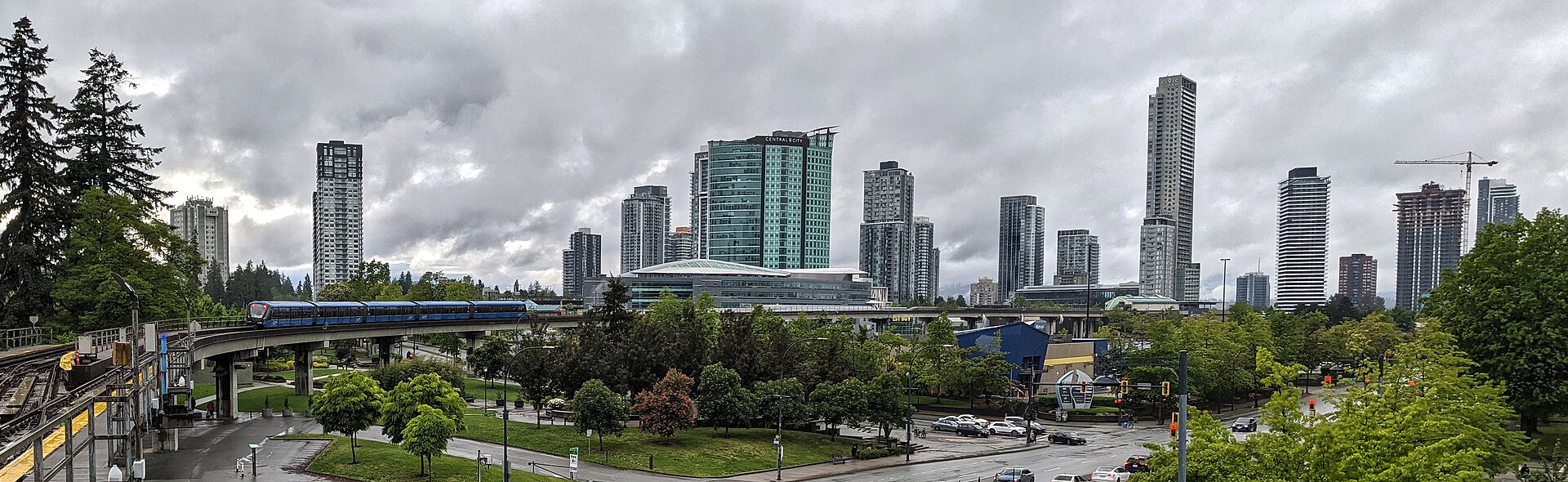
Surrey’s strata inventory is unusually mixed: new concrete towers in City Centre, and a large body of wood-frame low-rise and townhouse complexes everywhere else. Water behaves differently in those two building types, and the protection has to reflect it.
.jpg)
What we see in Surrey buildings
Wood-frame construction is the distinguishing feature of much of Surrey’s stock, and it changes the risk. Water tracks along joists and through floor assemblies rather than being contained by concrete, so it reaches more units and reaches them further from the source. The remediation is more invasive too: drying a wood-frame assembly is a longer and more expensive job than drying a concrete one.
Many of these complexes are also self-managed, or run by small councils without a full-time property manager, which makes automatic response worth considerably more than an alert nobody is on site to receive.
Why councils here act
In a townhouse or low-rise complex the strata corporation is often carrying a deductible that is large relative to the size of its contingency reserve fund. One water claim can consume a meaningful share of the fund, and the renewal that follows compounds it.
Automatic shutoff is the part that matters most in a self-managed complex. The value is not the notification — it is that the water stops without anyone having to drive to the building at two in the morning.
How it goes in here
Licensed Surrey-area trades carry out the work. In a multi-building complex the phasing is usually building by building rather than riser by riser, which lets a council protect the highest-risk structures first and spread the rest across budget years.
The wireless devices matter here. A low-rise or townhouse complex has no convenient service riser to run cable through, and the LoRa network reaches across a site without depending on any resident’s Wi-Fi.
Questions councils in Surrey ask
- We are a townhouse complex, not a tower. Does this apply?
- Yes, and arguably more. Wood-frame construction carries water further than concrete and costs more to dry out, and a townhouse complex usually has more separate water entries to protect. The system is modular for exactly this reason — it is sized to the site rather than to a building type.
- We are self-managed with no on-site staff.
- That is the case automatic shutoff was built for. The valve closes on its own when flow behaviour says something is wrong, and the alert reaches the affected owner and your council contact together. Nobody has to be on site for the water to stop.
- Can we do this in phases across budget years?
- Yes. Councils commonly protect the highest-risk buildings or the common water entries first and extend the system later. Coverage is documented at each stage, so what is protected and what is not stays on the record for your broker.
Governance references on this page describe common practice under the BC Strata Property Act. They are general information rather than legal advice — your strata lawyer or property manager is the authority on what your building must do.
What gets installed
The same system goes into every building: an in-line flow sensor on the supply, wireless point-of-leak sensors in the wet zones, and an automatic shut-off valve that closes when something is wrong. It is set out in full on the home page, and every data sheet is on the downloads page. What changes from building to building is the sequencing, not the hardware.
Book a free building assessment
A specialist attends the building, walks the risers and mechanical rooms, and leaves a written recommendation your council can put in front of an owner meeting or a broker. No cost and no obligation.
Other service areas
Each page covers the building stock and the council questions particular to that city.