Service area · British Columbia
Strata Water Leak Prevention in Burnaby.
Burnaby has two water-risk problems in the same city, and they need different answers. The town centres are full of towers young enough to still be inside warranty. The buildings around them are the ones now reaching the age where original supply plumbing begins to let go.
2.jpg)
What we see in Burnaby buildings
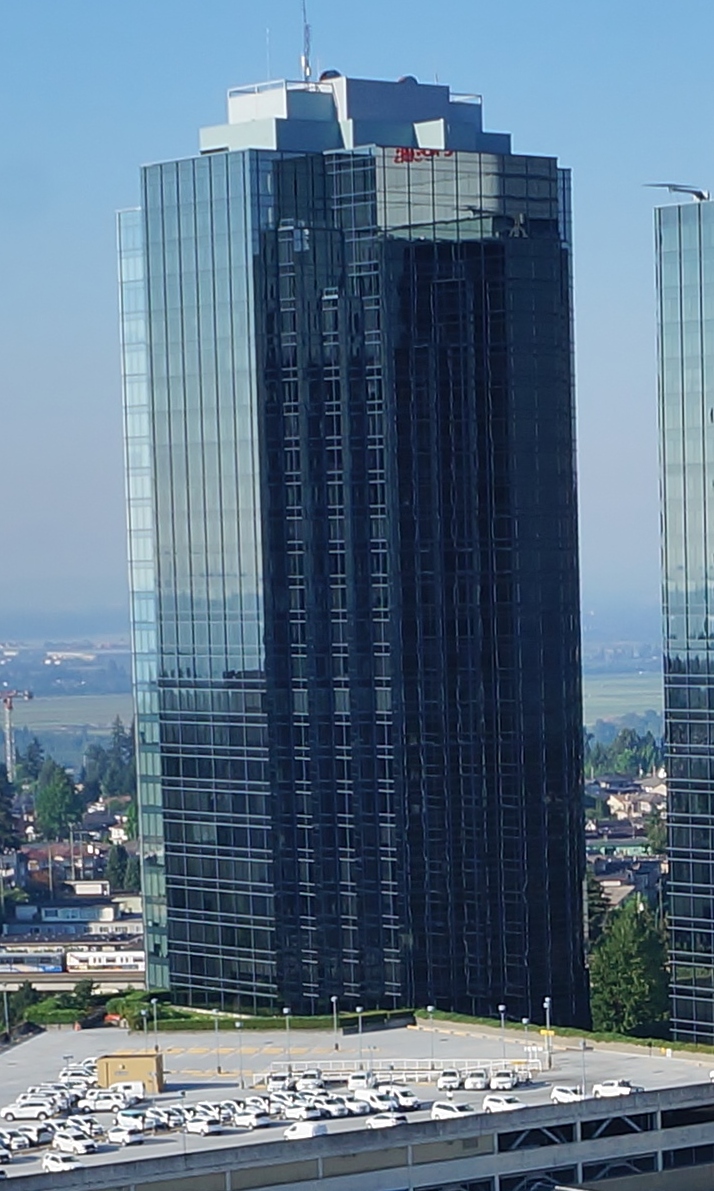
The tower clusters at Metrotown, Brentwood, Lougheed and Edmonds are among the densest residential stock in the province, and much of it is recent. New does not mean immune — a failed connector on a new appliance floods a new building exactly as efficiently as an old one, and a building still inside its warranty period has a strong reason to know about a leak within seconds rather than by complaint.
The 1990s stock is a different case. Those buildings are at the age where hose bibs, angle stops and washing-machine connectors fail in ones and twos, which is the pattern that becomes an insurance history.
Why councils here act
Density is what changes the arithmetic in Burnaby. A single suite failure in a town-centre tower can touch a large number of units below it, and the strata corporation carries the deductible on that claim regardless of whose appliance hose failed.
Councils that have already been through one significant water claim tend to move quickly. Councils that have not are usually looking at a renewal quote that has moved for reasons nobody has explained to them in terms they can act on.
How it goes in here
Licensed Burnaby-area contractors do the installation, scheduled around the building rather than around us. Common property is protected first — risers, mechanical rooms, amenity floors — and in a town-centre tower that alone covers the paths water actually travels between suites.
For a newer building still under warranty the assessment is worth doing early: it establishes what is monitored before the warranty window closes rather than after.
Questions councils in Burnaby ask
- Our building is only a few years old. Is this premature?
- New buildings flood too, usually from an appliance connector or a fitting that was never quite right rather than from age. The argument for a new tower is simply different from the one for an old tower: you are protecting a warranty position and a clean claims history, and both are worth more before an incident than after.
- How much disruption is there in a tower this size?
- Common-property work happens in the service spaces and does not interrupt residents. Suite devices are wireless, so a suite visit is measured in tens of minutes, and suites are batched by floor so your property manager issues one notice rather than a rolling series of them.
- Who gets the alert — the council or the owner?
- Both, at the same time. The owner of the affected suite and your management contact are notified together, so a shutoff is never the first anyone hears of a problem.
Governance references on this page describe common practice under the BC Strata Property Act. They are general information rather than legal advice — your strata lawyer or property manager is the authority on what your building must do.
What gets installed
The same system goes into every building: an in-line flow sensor on the supply, wireless point-of-leak sensors in the wet zones, and an automatic shut-off valve that closes when something is wrong. It is set out in full on the home page, and every data sheet is on the downloads page. What changes from building to building is the sequencing, not the hardware.
Book a free building assessment
A specialist attends the building, walks the risers and mechanical rooms, and leaves a written recommendation your council can put in front of an owner meeting or a broker. No cost and no obligation.
Other service areas
Each page covers the building stock and the council questions particular to that city.